Lianes Coopération
Lianes Coopération est le Réseau Régional Multi-Acteurs (RRMA) des Hauts-de-France,…
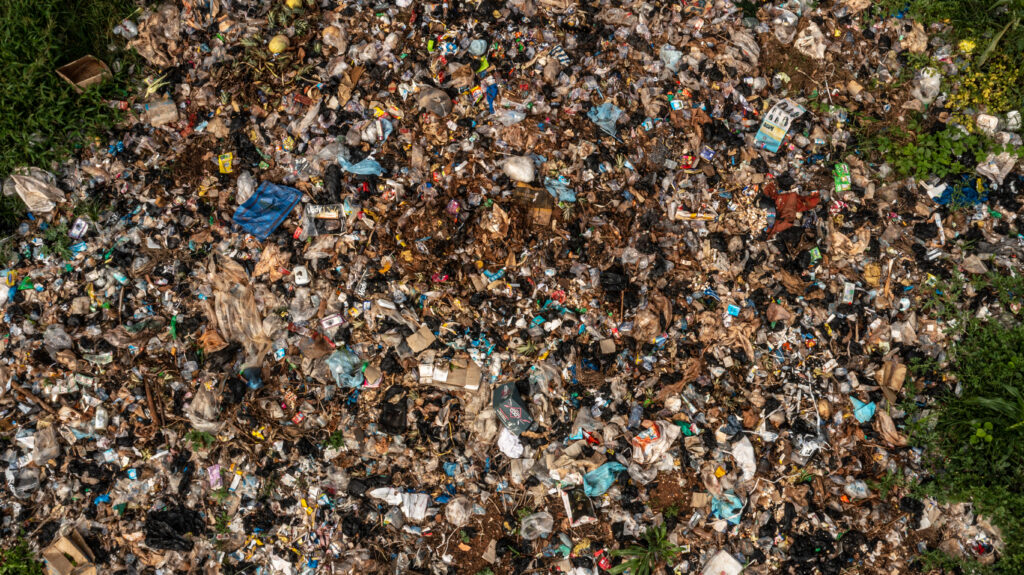
Also referred to as ‘basic’ services, essential services aim to meet basic human needs and are fundamental building blocks for local development. They help respond to people’s basic needs and are crucial for their well-being and social inclusion.
In practice, ensuring « access to essential services » involves providing access to vital basic services such as drinking water, energy, sanitation, waste management, and transport. This then makes it possible to develop social and economic services such as education, healthcare, agriculture, women’s empowerment, entrepreneurship, etc.
Ensuring access to essential services remains a major challenge in many countries of the Global South. Due to a lack of resources, local authorities struggle to improve the living conditions of the people in their area. Many regions today still suffer from lack of access to water, sanitation, safe and reliable energy, and waste collection and treatment services.
When designing a regional development project, a wide range of technical skills is required in order to ensure a holistic approach to essential services. With our energy sector expertise and multi-stakeholder network, Réseau Cicle is a key partner for all those implementing projects that include an energy component.
This lack of access has serious health, environmental, social, and economic repercussions and jeopardises the well-being and lives of millions of people. Collective efforts are essential for addressing this worrying situation.
In today’s climate, sector-based approaches are unable to effectively ensure the sustainable development of a region, hence the need for a more integrated sector approach. Essential services are often linked, so a holistic approach provides a more circular response. As stated in the 2030 Agenda, the SDGs will only be achieved by taking a cross-cutting approach to the targets set.
In addition, and since 2005, there has been a specific funding scheme available to French local authorities and EPCI (public establishments for cooperation between local authorities) responsible for water and sanitation, through which they can access funding for water and sanitation-related international solidarity projects. The provisions of the Oudin-Santini Law, which originally covered the water and sanitation sector only, have progressively been expanded to include the energy sector (2006 Pintat Amendment: 1% energy), waste management sector (1% waste in 2014), and transport sector (1% mobility in 2021). This law enables French local authorities, EPCI and public sector agencies to allocate up to 1% of their revenue to solidarity projects.
The ‘Integrated approach and 1% solidarity mechanisms for improving access to essential services’ programme is a cooperation initiative between regional multi-stakeholder networks (réseaux régionaux multi-acteurs, RRMA), the Inter-regional RRMA Conference (CIRRMA) and national sector-specific networks: Programme Solidarité – Eau (pS-Eau), AMORCE and Réseau Cicle.
As a long-standing partner within this initiative, Réseau Cicle works to develop and boost support for a more integrated approach to improving access to essential services and implementing the 1% solidarity mechanisms. Whether by helping organise activities, producing and disseminating practical resources, or by supporting, raising awareness, and ensuring the involvement of essential service stakeholders, the main aim of Réseau Cicle and our partners is to ensure the most disadvantaged communities are more easily able to access these basic services.
For more information on the programme’s partners, resources, and activities, please see the programme website.
Lianes Coopération est le Réseau Régional Multi-Acteurs (RRMA) des Hauts-de-France,…
Fondée en 1981 par des citoyens engagés pour la solidarité…
En parallèle de son organe de gouvernance propre, le Réseau…

Initiative Développement est une association de solidarité internationale fondée en…
Le Gret, fondé en 1976, est une organisation de solidarité…
Née en 1976 à Marseille, le Geres est une ONG…
Créé en 2011 par des expert·e·s originaires principalement d’Egis International,…
Fondation reconnue d’utilité publique, Énergies pour le Monde œuvre depuis…
Electriciens sans frontières, ONG de solidarité internationale, lutte contre les…
Sénégal
Sénégal
Sénégal
Sénégal
Madagascar
Madagascar