
Gender and inclusion
Overview
The gender-based approach provides tools for highlighting gender inequalities, i.e. the power dynamics seen in the roles assigned to men and women and other identities and in their living conditions. In energy projects, the findings produced by this gender-based approach can be incorporated into strategies and action plans in order to enhance – or at least not undermine – the benefits provided by the energy services put in place. In other words, the gender-based approach is an analytical tool used to ensure that everyone has access to energy.
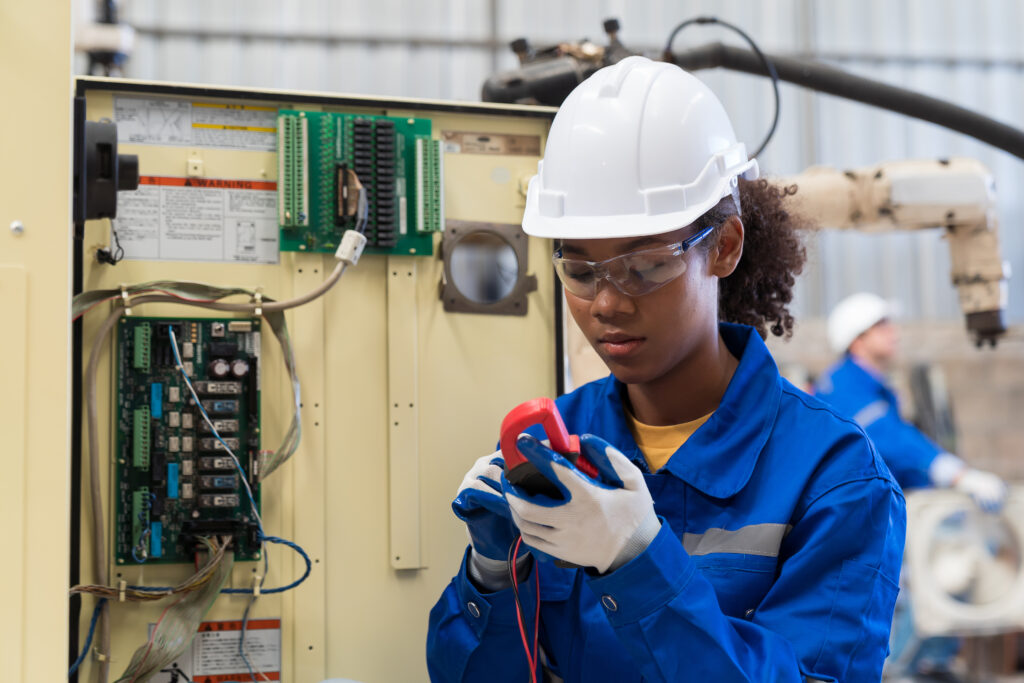
In most countries, women are disproportionately affected by lack of energy access, energy poverty, and gender-based violence. They also often bear the mental load and financial burden of providing energy for their households, which can involve a range of different chores. Women also remain under-represented in the energy sector, particularly in technical and leadership roles.
Through this initiative, Réseau Cicle strives to:
- Give a voice to women, in particular those primarily affected in countries in the Global South.
- Align ourselves as closely as possible with each specific context and avoid perpetuating divisive Global North/South stereotypes in our gender equality discourse.
- Consider gender through the lens of intersectionality in order to take the inclusion of all social identities into account (membership of a community, social class, religion, age, disability status, etc.).
With Réseau Cicle ?
When selecting energy access solutions, the decisions made are never socially neutral and can affect people differently depending on their specific needs.
Aware of the challenges involved in putting the gender-based approach into practice, securing the necessary resources and applying gender-based issues to the energy sector, Réseau Cicle works with our partners to understand specific gender/energy issues, build on lessons learned and pool gender-based information and data.
Why implement an energy project with a gender-based approach component?
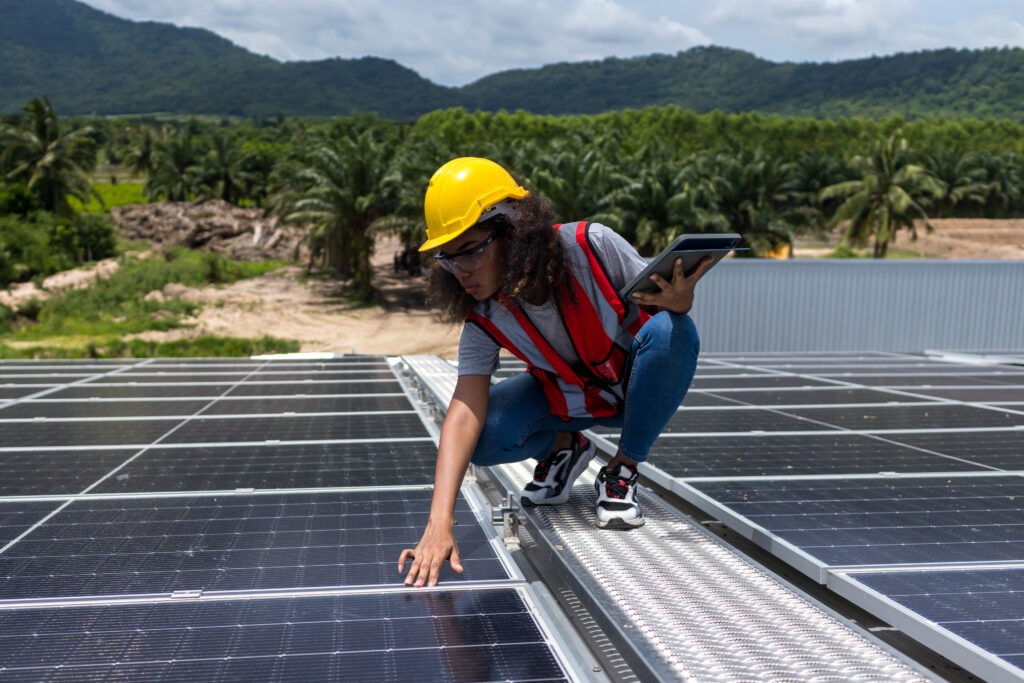
- Empowerment: access to energy makes many everyday tasks less arduous and means less time has to be spent doing unpaid work. Supporting women working in the energy sector (female entrepreneurs, technicians, engineers, etc.) and involving women and girls in consultations and activities furthers their economic and political empowerment.
- Health: the electrification of health centres improves conditions for childbirth, and the introduction of clean cooking methods reduces the negative impact of fuels on their health.
- Education: the electrification of schools, housing and public spaces promotes better access to education.
- Safety: street lighting improves the safety of public spaces and enables women and girls to move around more freely and, consequently, to access public services more easily.