
Energy efficiency

Overview
L’eEnergy efficiency refers to the measures used to reduce energy consumption while maintaining the same level of energy service. Its ultimate aim is therefore to optimise energy.
Energy efficiency applies not only to equipment and appliances, but also to buildings:
- Housing should be adapted to local conditions: architecture, insulation, waterproofing, ventilation, use of local and/or bio-based materials, building orientation, greening, refurbishment, and renovation, etc.
- Heating or cooling systems (heating/air conditioning).
- Electrical appliances: energy-saving light bulbs, more efficient household appliances, etc.
- Smart systems that measure and regulate electricity consumption to prevent energy waste.
- Energy monitoring systems that provide users with information on their electricity consumption patterns and help them adapt their habits.
Energy efficiency measures can help optimise consumption without necessarily reducing this consumption as the energy savings made can generate new needs and, consequently, new consumption. Depending on the intended goals, energy efficiency measures can be coupled with energy-saving measures, the aim of which is to reduce final energy consumption through increased user awareness and lifestyle changes.
With Réseau Cicle ?
Réseau Cicle is committed to universal access to a reliable, sustainable, modern, and affordable energy source, which is intrinsically linked to the challenges of energy efficiency in equipment and buildings.
High-quality products and climate-appropriate buildings help improve access to energy services by enabling more sustainable and affordable consumption. Reducing energy consumption is also central to a just energy transition and the fight against climate change.
Through its support services and knowledge-sharing initiatives, Réseau Cicle works to promote energy-efficient solutions that complement electrification.
Translated with DeepL.com (free version)
The construction sector plays a key role in many energy-related challenges: urbanisation and the rising demand for electricity, the impact of energy consumption on the climate, energy poverty, and the vulnerability of housing to extreme climate events, etc. There are many solutions and courses of action available, and these must be tailored to the specific local requirements of each project. It is for this reason that Réseau Cicle supports partners wanting to improve the energy efficiency of buildings and implement green building projects by helping them with networking and providing them with information.
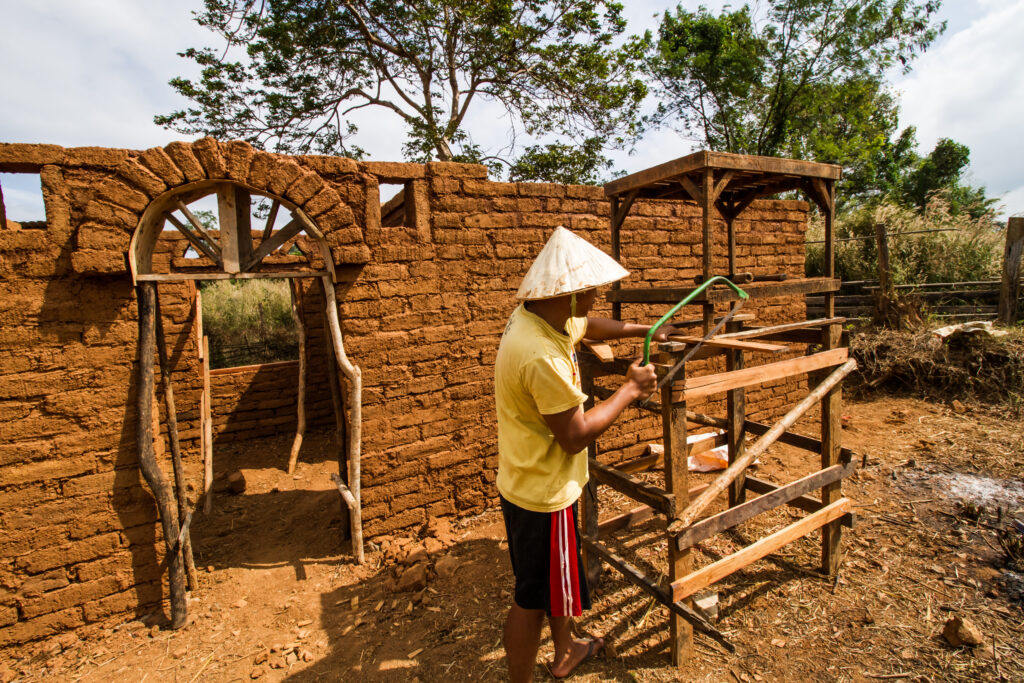
The construction sector accounts for 30% of global greenhouse gas emissions.
Why implement a project with an energy efficiency component?
- To tackle energy poverty by reducing electricity bills and improving people’s living conditions and comfort.
- To tackle climate change by reducing CO2 emissions.
- To improve people’s resilience by providing them with housing that is better suited to their environment.
- To support economic development and preserve local housing and energy management expertise.
What type of action can be taken?
- Sharing experiences of conducting diagnostics and developing local energy and climate plans with local authorities.
- Supporting the energy efficient refurbishment/bioclimatic construction and fitting out of public and/or community buildings (schools, hospitals, town halls, etc.).
- Raising awareness of energy saving measures and measures to tackle climate change.
- Supporting the development of training programmes and research projects.