Electrification
Overview
According to the International Energy Agency (IEA), there were nearly 760 million people without access to electricity in 2022, four out of five of whom were living in sub-Saharan Africa (International Energy Agency, 2023). However, there are also geographical disparities in energy poverty within countries.
For instance, in Malawi, the electrification rate stood at 5.6% in rural areas in 2022 and at 54% in urban and peri-urban areas.
Electrification is easier in urban and peri-urban areas as households can be connected to the existing grid. In contrast, practical difficulties accessing the central grid in rural and isolated areas mean that ‘decentralised’ or ‘off-grid’ electrification systems have to be developed to cover these areas’ energy needs. There are several solutions available, the suitability of which will depend on the context:
- Solar Home System:
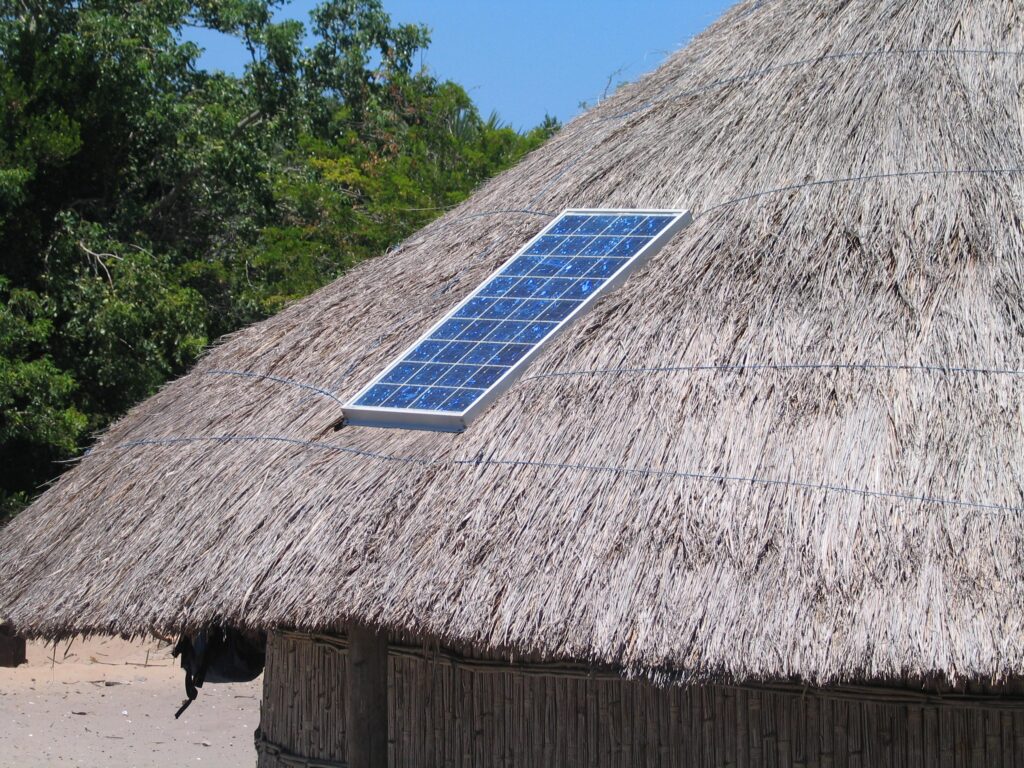
Solar Home Systems are standalone systems that generates electricity for domestic use. They generally consist of a solar panel, a charge controller, and an inverter, and can also include an energy storage system (battery) with enough power output (usually less than 100W) to power everyday electrical appliances: household appliances, lamps, computers, radios, etc.
According to GOGLA, sales of home solar systems rose by more than 50% in sub-Saharan Africa in 2022 as a result of government programmes implemented in countries such as Nigeria, Kenya, and Rwanda. The IEA estimates that this has provided a further 12 million people with energy access.
- Mini-grids:
A mini-grid, also sometimes referred to as an isolated grid, consists of generators that produce electricity, potentially from renewable sources (solar, wind, hydropower, biomass, or a combination of these energy sources), and a grid that operates independently of the national grid.
This power distribution system is ideal for rural or isolated areas where connection to the main grid would be a logistical nightmare or where there are frequent breakdowns and outages. The installed capacity ranges from a few kW to 10 MW.
All community-scale mini-grid systems can experience peaks in consumption linked to daily, seasonal, or other one-off constraints. However, the equipment is not always designed to cope with these unexpected consumption peaks. When installing mini-grids, it is therefore important to forecast fluctuations in consumption as accurately as possible in order to avoid the need for load shedding and prevent the premature wear and tear of the mini-grid equipment.
With Réseau Cicle ?
Réseau Cicle is committed to promoting universal access to a reliable, sustainable, modern and affordable source of electricity that is based on renewable systems.
Access to a reliable power supply is imperative for ensuring a region’s economic development and for providing the most vulnerable communities with improved access to essential services, such as healthcare, education, and water, and ultimately for improving their living conditions and their resilience to climate change.
In order to guarantee the long-term sustainability of energy services, there is a range of parameters to be considered to ensure that these services are properly designed (the appropriate technological solutions, the energy sector legislative framework, pricing, national electrification planning, technical and institutional partners, etc.).
Réseau Cicle works to support these initiatives and provide up-to-date sector news and analysis in order to promote energy service development projects that are fully integrated into national and local contexts.
- Service plateforms:
A service platform consists of a renewable energy generation system (solar, wind, hydropower, biomass, etc.) for use by small rural or urban businesses located around an energy access hub.
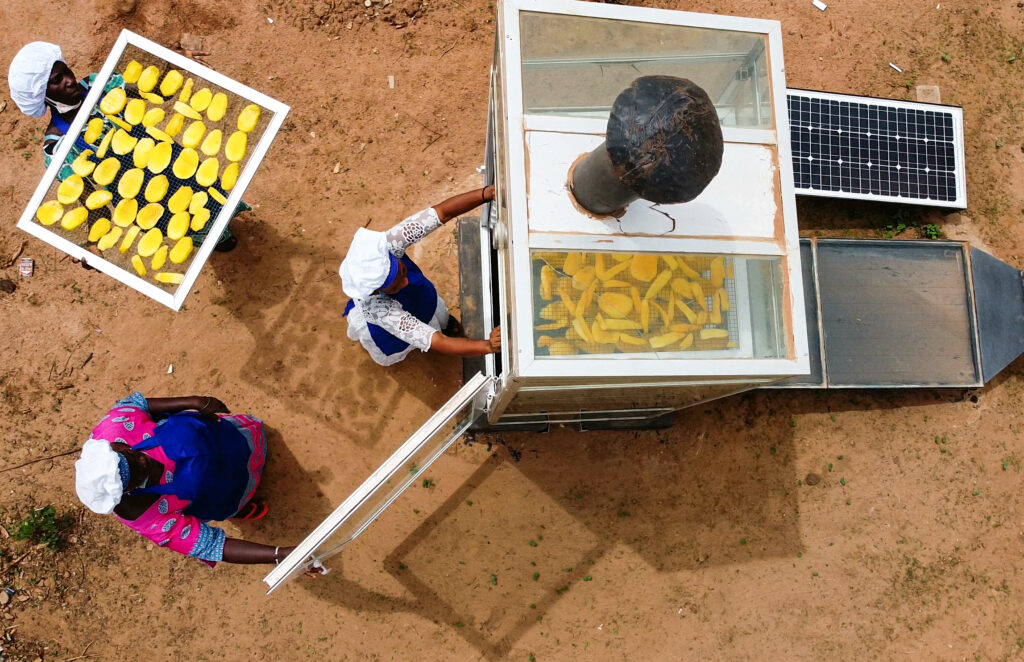
These platforms make it possible to centralise electricity service provision: lamp and mobile phone charging, general electrical services, refrigeration, and food storage, etc. In addition to providing energy for community use, these service platforms provide electricity for small income-generating activities.
Why implement an electrification project? Some key figures.
- Currently, in sub-Saharan Africa, nearly 600 million people still rely on fossil fuel-based lighting because they lack access to a sustainable source of electricity.
- In 2022, 40% of the people in Asia without access to a sustainable source of electricity were in Pakistan.
- In 2023, 89.3% of companies in the Central African Republic reported having experienced unexpected power cuts, with an average of 28 outages per month.
Access to electricity improved slightly in 2023, but progress remains far too slow to achieve the SDG7 targets. Natural disasters and political upheavals can affect programme implementations and slow down the rate at which people gain access to electricity.