
Climate
Overview
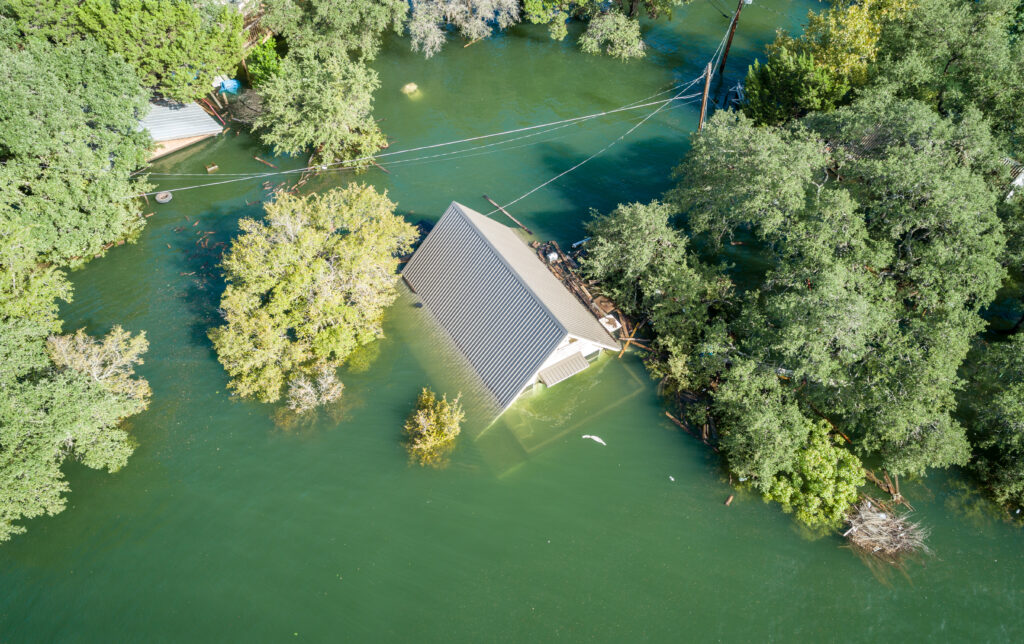
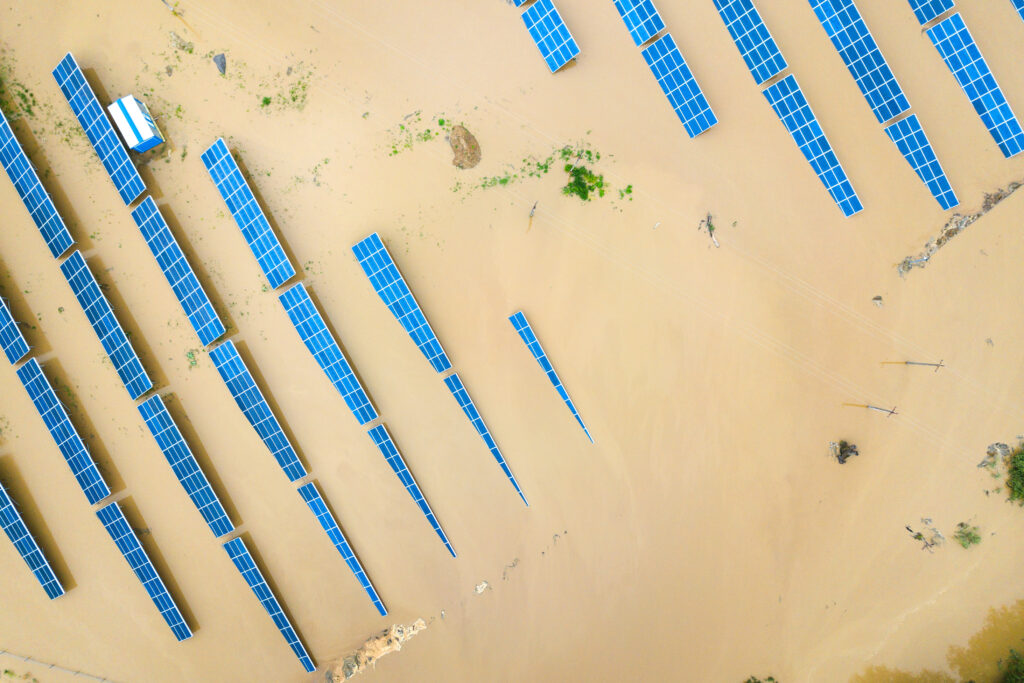
Global warming is a phenomenon that is exacerbated by human activities. The ten years from 2011 to 2020 have been recognised as the hottest decade ever recorded, being warmer than any period over the past 125,000 years. This has resulted in changes that affect both ecosystems and people, particularly the most vulnerable: temperature variability, rainfall deficits, more frequent extreme weather events, etc. The regions most affected by these changes to the world’s climate include Central and South America, sub-Saharan Africa, South Asia, small islands, and the Arctic.
Thus, to tackle the climate change that is having such a significant impact on these parts of the world, action also has to be taken to improve access to energy and climate resilient housing in order to ensure people’s well-being and support their socio-economic development and resilience.
Although the energy sector is currently a major contributor to climate change, measures to promote the development of renewable energy, energy efficiency and access to clean cooking methods mean that it also holds the keys to mitigating this climate change. Acting as an interface between our members, Réseau Cicle promotes, supports, and creates synergies between these initiatives.
With Réseau Cicle ?
Climate change and the energy sector are intrinsically linked. Firstly, because fossil fuels account for 75% of greenhouse gas emissions; and secondly, because the impacts of climate change are felt most acutely by communities that are already vulnerable.
It is for this reason that Réseau Cicle always ensures climate change-related issues form the underlying theme of our support initiatives and publications.
United Nations Sustainable Development Goal 7
The UN 2030 Agenda’s 17 Sustainable Development Goals include measures relating to the energy sector and for tackling climate change.
SDG7 aims to:
- Ensure universal access to affordable, reliable and modern energy services.
- Increase substantially the share of renewable energy in the global energy mix and double the global rate of improvement in energy efficiency.
- Enhance international cooperation to facilitate access to clean energy research and technology.
Some key figures
- Africa is responsible for 2.2% of global greenhouse gas emissions.
- Africa holds 40% of the world’s renewable energy potential. However, the continent is currently experiencing the slowest growth in these capacities compared to the rest of the world.
- Temperatures are forecast to rise by 2.4°C – 3.5°C by the end of the century if we fail to adapt our activities.