Clean cooking
Overview
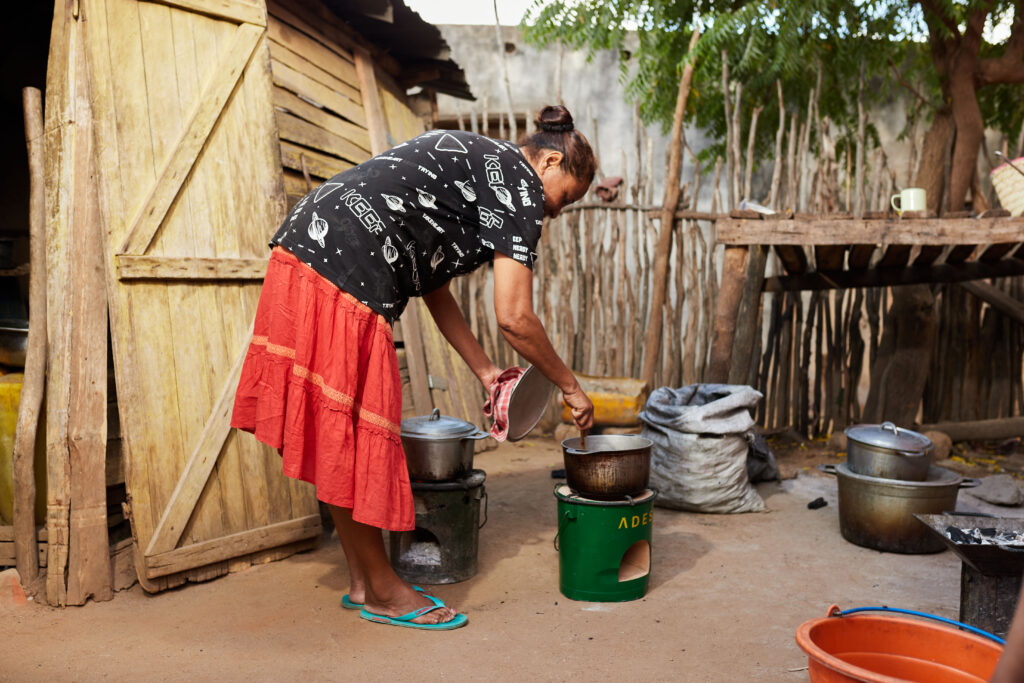
Many people today are still having to use ‘unclean’ cooking methods, i.e. those that emit fumes that are harmful to both the environment and human health. These include cooking methods that use traditional biomass (coal, wood) and inefficient appliances, such as open fires (traditional cooking over a ‘three-stone’ fire).
There are still 2.4 billion people around the world, spread throughout 128 countries, who lack access to clean cooking facilities, most of whom live in rural areas. In sub-Saharan Africa, this equates to four in five people. In this part of the world, population growth means that the number of people without access to clean cooking technologies continues to rise.
With regard to SDG7’s target of ensuring universal access to affordable, reliable, and modern energy services, progress on the clean cooking indicator has been particularly slow. If the current rate of progress is maintained, 1.8 billion people will still lack access to clean cooking technologies in 2030.
With Réseau Cicle ?
Réseau Cicle is committed to supporting projects that promote access to clean and efficient cooking methods. We do this by providing information on resource centres and calls for proposals within the sector. We have also produced a guide on setting up clean cooking projects for small-scale producers and institutional centres, which covers both domestic and community-based clean and efficient cooking methods and considerations.
There are a number of solutions available for helping people switch to clean cooking methods. These vary depending on the type of oven and the type of fuel used. These solutions make it possible to:
- Avoid using wood or coal:
This can involve cooking with LPG (an intermediate fossil fuel), biogas (advanced fuel), electricity, solar, or other alternative fuels (e.g. rice balls and Typha).
- Improve the efficiency of stoves, reduce smoke, and more effectively manage the use of biomass or other energy sources:
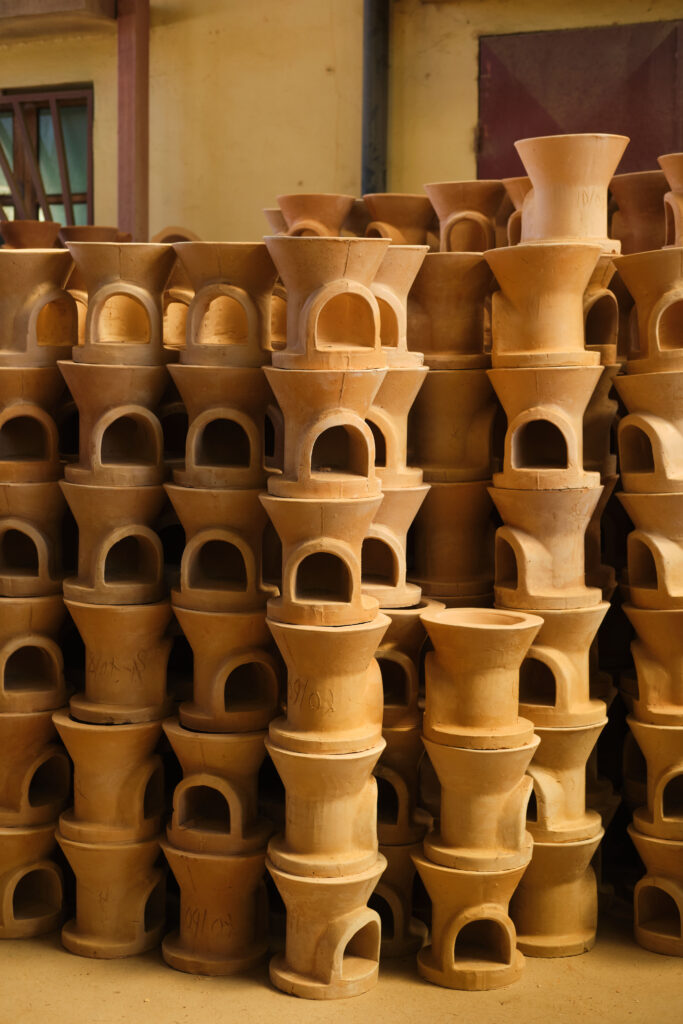
High-quality improved stoves can reduce the biomass used by between 20 and 75% while maintaining the same level of service. Other types of appliances can also be made more efficient to reduce gas and electricity consumption, etc.
The specific solutions adopted will vary considerably as they will depend on national contexts (political and legal frameworks), traditional and cultural cooking-related practices, socio-economic situations, local biomass resources, and areas of intervention. For example, improved stoves fuelled by biomass are usually more appropriate for rural areas than electric ovens that require access to the electricity grid. In addition, not all solutions guarantee the same level of service (see the World Bank ranking).
Why implement an electrification project? Some key figures.
- To protect people’s health: 3.7 million people die prematurely each year as a result of using fossil fuels, with women and children most at risk.
- To promote gender equality: women and children can spend up to 20 hours a week collecting biomass in countries where electricity access is not guaranteed. This is time that could otherwise be used for education or income-generating activities. Women also play a vital role in promoting clean cooking solutions to other users.
- To tackle climate change: 2% of global CO2 emissions come from the use of open fires and from using inefficient stoves for cooking. The chopping down of trees for firewood also causes deforestation. The Clean Cooking Alliance estimates that 225 million hectares of forest cover could be saved if universal access to clean cooking is achieved by 2030.
- To support socio-economic development and reduce inequalities: one-third of the world’s population still lacks access to clean cooking solutions.